Council parking permit rules for removals in New Eltham
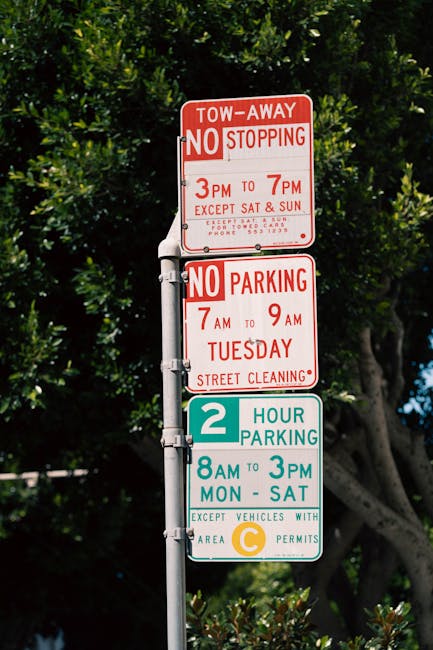
If you are moving home or office in New Eltham, parking can become the one detail that quietly causes the most stress. The van arrives, boxes are ready, someone is carrying the kettle, and then you realise there is nowhere sensible to stop. That is exactly where council parking permit rules for removals in New Eltham matter. Get the parking side right and moving day feels calmer, quicker, and a lot less risky. Get it wrong and you may face delays, parking fines, blocked access, or a very awkward conversation with the neighbours. Not ideal, really.
This guide explains how the permit process usually works, what to check before move day, what mistakes people often make, and how to plan a smoother removal in a busy London setting. It is written for anyone moving house, flats, or premises in the New Eltham area, whether you are arranging the move yourself or using a professional team.
Why Council parking permit rules for removals in New Eltham Matter
Parking rules are not just admin. They shape the whole rhythm of a move. In New Eltham, streets can be tight, parked-up, and busy with everyday traffic, school runs, deliveries, and residents trying to get on with their day. A removal van that cannot stop close to the property creates a chain reaction: more carrying distance, more time, more physical strain, and sometimes more cost.
For a straightforward flat move, that may mean ten extra trips up and down stairs. For a larger house move, it can mean a team of people waiting at the kerb while the driver circles for a space. You do not want that. And if the council expects a permit or formal parking arrangement, assuming you can just wing it is a good way to make the day harder than it needs to be.
There is also the issue of respect. London streets are shared space. A sensible parking plan helps you keep footways clear, avoid blocking dropped kerbs, and reduce friction with neighbours. Truth be told, the less disruption you create, the less likely you are to run into avoidable complaints.
Expert summary: For removals in New Eltham, parking is not a side note. It is part of the move plan, alongside packing, access, timings, and van size. Treat it that way and everything else gets easier.
How Council parking permit rules for removals in New Eltham Work
The exact arrangement depends on the street, the type of bay or restriction outside the property, and the local council's current processes. In practice, removals usually fall into one of a few parking scenarios. You may need a temporary permit for a bay suspension, a visitor-style exemption, a dispensation for a commercial vehicle, or simply a clear understanding of where loading is allowed and for how long.
The key point is this: removal vehicles often need more than a casual "I'll just stop here for a bit." Some streets allow loading and unloading under certain conditions, while others are controlled more tightly. If a bay is resident-only, shared-use, pay-and-display, or subject to time restrictions, you need to know in advance whether your van can legally stop there for the duration of the move.
Many people also miss the difference between parking and loading. Loading is not a free pass. It is usually subject to strict conditions, such as staying with the vehicle, showing active loading activity, and moving on as soon as the work is done. If boxes are being carried, that may qualify. If the van is left unattended while everyone is inside having tea, that is a different story.
If you are using a professional mover, ask whether they normally handle the parking side or whether you need to organise it yourself. For some jobs, that is part of the service flow; for others, it is better handled by the resident because they know the property access and neighbours best. A quick check before the day can save a lot of last-minute scrambling.
You may also find it useful to review the mover's terms and conditions and health and safety policy so you understand how access, loading, and responsibility are handled. If you want to understand how the team approaches removals more broadly, the removals service overview is a sensible place to start.
Key Benefits and Practical Advantages
Good parking planning makes the move feel smoother almost immediately. You notice it in the little things: fewer pauses, fewer awkward carries, fewer people getting in each other's way on the pavement. Here are the main advantages.
- Shorter loading and unloading time: A van parked close to the entrance cuts down the number of trips.
- Lower risk of damage: The less distance you carry furniture through tight spaces, the lower the chance of scuffs and knocks.
- Reduced stress: When parking is sorted, the whole day feels more controllable.
- Better access for larger items: Sofas, wardrobes, and white goods are far easier to move when the vehicle is close by.
- Less conflict with neighbours or enforcement teams: Planning properly helps you avoid avoidable complaints or penalties.
There is also a financial angle. Even when permits have a cost, the price of a well-managed stop is often far easier to swallow than the knock-on effects of delays, extra labour time, or enforcement issues. A permit can be the cheapest part of the whole move. Bit boring, but true.
Who This Is For and When It Makes Sense
These rules matter for more people than you might think. If you are moving from a terraced house, a flat above a shop, a maisonette, or a property on a road with controlled parking, you should assume parking needs checking early.
You should also pay close attention if:
- you are moving on a weekday when restrictions are tighter
- your street has limited waiting or loading space
- your building has no private driveway or forecourt
- you are using a larger moving van or a heavier vehicle
- you need repeat access during the day
- you are organising a commercial move or office relocation
For commercial work, parking planning can be even more important because teams often need to move equipment, IT gear, archive boxes, desks, and chairs in a controlled sequence. A delay at the kerb can ripple across the whole schedule. If that sounds familiar, it may be worth looking at commercial moves or office removals as part of your planning.
Home movers often underestimate how quickly access gets messy. One person carrying a mattress, another carrying drawers, a neighbour's car parked half over a dropped kerb, and suddenly the whole thing feels like a puzzle with missing pieces. If the parking is sorted first, the puzzle is much less annoying.
Step-by-Step Guidance
Below is a practical way to approach parking permissions for a removal in New Eltham. You do not need to overcomplicate it, but you do need to be methodical.
-
Check the street outside the property.
Look at the signs, bay markings, kerb restrictions, and any nearby loading zones. Do this in daylight if possible. Evening checks can be misleading, especially in streets where signs are easy to miss.
-
Identify whether the van needs a permit, dispensation, or suspension.
This depends on the road layout and the sort of parking control in place. A resident bay is different from a pay-and-display bay, and both differ from a pure loading area.
-
Confirm the move timing.
Some parking arrangements are easier early in the morning. Others are better later in the day. It depends on traffic flow, school traffic, and how busy the street usually feels.
-
Speak to the mover early.
Ask what vehicle they plan to use, how much space they need, and whether they have experience working in streets with tight access. If they are also providing packing help, such as packing and unpacking services, make sure that timing aligns with the parking plan.
-
Prepare the household or workplace.
Tell neighbours if the van may temporarily take up shared space. Keep entrances clear. Move personal vehicles away from the front of the property if you can.
-
Have documents and confirmations ready.
If a permit has been arranged, keep the confirmation accessible. Do not bury it in an email chain you can never find. It happens all the time, annoyingly.
-
Build in a buffer.
Give yourself extra time for traffic, access issues, and unexpected parking restrictions. A small cushion can stop a minor delay becoming a full-blown headache.
As a practical example, if you are moving from a first-floor flat on a residential street, the vehicle may need to stop as close as possible so furniture can be carried safely. That short distance matters. It is not about convenience alone; it affects speed, safety, and how tired everyone gets by lunchtime.
Expert Tips for Better Results
After enough moves, a few patterns become obvious. The jobs that run smoothly are usually the ones where parking is treated as part of the job plan, not an afterthought.
- Measure the van-to-door distance mentally. Even ten extra metres can matter when you are carrying awkward items.
- Choose the vehicle size carefully. A smaller van can sometimes fit more neatly in tighter streets than a larger truck. If you are unsure, compare options like a man with van setup versus a larger removal truck hire arrangement.
- Keep one person focused on access. Someone should be watching the space, the signs, and the clock. The job goes better when one person is the "parking eyes."
- Use clear labels on boxes. Faster unloading means less time the van needs to stay on the road or in a bay.
- Take photos before and after. Not for drama, just for clarity if there is a question about access or vehicle positioning.
If you are arranging a residential move, house removals or home moves pages may help you think through the wider move structure, not just the parking side. And if you need a smaller, more flexible setup, man and van services can sometimes be easier to position on narrow streets.
One small but useful habit: keep the driver updated if anything changes. If the lift breaks, the hallway is blocked, or the space outside becomes unavailable, say so immediately. It sounds obvious. It still gets missed.
Common Mistakes to Avoid
Most parking problems on removals day are avoidable. The trouble is, they are usually avoidable in ways that feel harmless at the time.
- Leaving parking until the morning of the move: By then, you have no room to adjust.
- Assuming a loading exemption covers everything: It often does not, especially if the vehicle is left unattended or the loading is intermittent.
- Forgetting about width, not just length: A van may technically fit in a space and still block access or protrude awkwardly.
- Not checking if bay suspensions or extra permissions are required: The rules may differ from one street to the next.
- Ignoring weekday traffic patterns: A legal parking space is not always a practical one if traffic makes loading risky.
- Failing to brief everyone involved: If the remover, the homeowner, and the helper all assume someone else arranged parking, things unravel quickly.
There is also a common human mistake: people think they can improvise because "it's only a short stop." Then the road is busier than expected, the box trolley catches on a pavement lip, and the whole plan slips. Happens more than anyone likes to admit.
Tools, Resources and Recommendations
You do not need a big toolkit for this, but a few simple things make a real difference.
- A street-view check in advance: Useful for understanding bay layout and frontage space.
- A printed or saved permit confirmation: Handy if the parking arrangement is questioned on the day.
- A moving timeline: Helps you line up parking, packing, loading, and departure.
- A tape measure: Worth having if you are judging furniture through hallways or down a tight access path.
- Protective blankets and straps: Good packing keeps the loading process more efficient, which in turn shortens on-street time.
It can also help to compare service levels if you want someone else to handle more of the moving-day complexity. For example, removal company and removal services options can be useful when you want structured support rather than piecing everything together yourself. If you are moving a smaller amount, removals near me searches often lead people to more local, flexible options.
When you are comparing choices, ask the practical questions: how long will loading take, what vehicle will be used, how close can it park, and who is responsible for access planning? Those answers matter more than glossy promises. Always have done.
Law, Compliance, Standards and Best Practice
Parking on public roads in London sits within a framework of local controls, traffic rules, and general road safety expectations. The exact details can vary by street, so the safest approach is to treat each location as its own case rather than assuming one neighbourhood behaves like the next.
From a best-practice point of view, there are a few standards worth following even when the situation looks informal:
- Do not block footpaths, dropped kerbs, or driveways.
- Keep loading periods active and purposeful.
- Use safe manual handling methods for heavier items.
- Make sure the vehicle is suitable for the road and the load.
- Plan access with weather, visibility, and traffic in mind.
If the move involves business premises, the same common-sense principles still apply, but the pressure can be higher because staff, deliveries, and operations may be affected. That is one reason why a structured approach to office relocation services can be helpful.
It is also sensible to check the mover's safety and insurance information. A reputable operator should be able to explain how they manage damage risk, loading safety, and vehicle security. If you want a starting point, see the company's insurance and safety information. For payment confidence and general trust signals, the payment and security page may also be useful. That way, the move feels better organised from start to finish.
Options, Methods and Comparison Table
There is no single right answer for every New Eltham move. The best parking approach depends on the street, the type of property, and how much you are moving. This table gives a simple comparison.
| Option | Best for | Pros | Trade-offs |
|---|---|---|---|
| Direct kerbside loading | Short, efficient moves where access is available | Fast, simple, low carrying distance | Depends on available space and any restrictions |
| Permit or dispensation-based stop | Controlled streets or restricted parking zones | More predictable, reduces enforcement risk | Needs advance planning and may involve administration |
| Smaller vehicle and multiple trips | Narrow streets or limited stopping space | Easier to position, less road intrusion | Can take longer overall and may require more labour |
| Full-service removal with planned access | Busier home moves or larger jobs | Better coordination, less stress on the day | May cost more than a basic van hire approach |
If you are weighing up the right format, think about access first and price second. That is not a marketing answer, just the practical one. A cheaper job that goes wrong can end up costing more in time and frustration. If you need a broader comparison of moving support, you might also look at movers or man with a van services to see which style fits your street and schedule best.
Case Study or Real-World Example
Consider a typical New Eltham flat move on a weekday morning. The property is on a residential road with limited frontage space and parked cars on both sides. The client has several large boxes, a bed frame, a wardrobe, and a few fragile items. At first glance, it feels manageable. Nothing dramatic. But the van cannot sit too far away because the building has a shared entrance and a narrow stairwell.
In this situation, the move works best when the parking is confirmed before the day, the vehicle arrives at the quietest practical time, and the loading order is planned in advance. The mattress goes first, then the furniture with the worst handling shape, then the lighter boxes. Because the vehicle is close to the door, the team avoids repeating the same long carry over and over. You can almost hear the stairs breathe easier.
What made the move successful was not a magical permit trick. It was simple planning: confirm the street conditions, choose the right vehicle, keep the access route clear, and avoid leaving the loading to chance. That is usually the whole game, to be fair.
Practical Checklist
Use this checklist a few days before the move, then glance at it again on the morning itself.
- Confirm the exact address and street layout outside the property.
- Check whether parking restrictions apply during your move time.
- Decide whether a permit, dispensation, or loading arrangement is needed.
- Tell the removal team what access is like, including steps, gates, and any awkward corners.
- Reserve or free up space near the property if you control a driveway or private bay.
- Keep contact details and confirmations easy to reach.
- Make sure fragile or high-value items are packed and labelled clearly.
- Plan for weather, delays, and last-minute road congestion.
- Have a backup idea if the first parking plan falls through.
- Check that everyone knows the loading order and destination rooms.
Quick takeaway: if the van can park legally, safely, and close enough to load efficiently, the rest of the move becomes far less stressful. That one decision changes a lot.
If you are still shaping the move, it can help to speak with a local team that understands both removals and on-street access in the area. A well-planned job is usually a calmer job, and calmer jobs tend to go better for everyone involved.
Get a free quote today and see how much you can save.
Conclusion
Council parking permit rules for removals in New Eltham are really about keeping your move practical, legal, and as low-stress as possible. Once you understand the street conditions, work out whether a permit or loading arrangement is needed, and coordinate the vehicle size and timing properly, the whole process becomes much easier.
The main lesson is simple: do not leave parking to chance. A little planning before move day can prevent a lot of hassle later, especially on a busy London street where space is tight and patience runs thin. If you take anything from this guide, let it be that. A move with clear access feels lighter from the start, and that is a nice feeling on a day that is already busy enough.
And honestly, that first moment when the van stops exactly where it should? Makes a world of difference.
Frequently Asked Questions
Do I need a parking permit for removals in New Eltham?
Not always, but you should never assume you do not. It depends on the street, the parking restrictions in place, and whether the vehicle can stop legally for loading and unloading. Checking early is the safest route.
Can a removal van stop in a resident bay while I move?
Sometimes, but only if the local rules allow it or an appropriate permission has been arranged. A resident bay is not automatically available for removal work, so it is worth confirming before the van arrives.
What is the difference between loading and parking?
Loading means actively moving goods in or out of the vehicle under the relevant rules. Parking usually means the vehicle is left standing without active loading. That difference matters a lot when restrictions apply.
Who should arrange the permit, me or the removal company?
That depends on the service agreement and who knows the property access best. Some movers help with planning, but the resident or business owner often has the clearest view of the street conditions and the correct timing.
How far in advance should I check parking rules?
As early as you can, ideally several days before the move. If the street is heavily controlled, earlier is better. Parking problems are much easier to solve when you still have options.
What happens if the van cannot park outside my property?
The team may need to park further away, use a different stopping point, or adjust the loading plan. That can add time and effort, so it is best to plan a workable space before move day if possible.
Are smaller vans better for tight New Eltham streets?
Often, yes. A smaller vehicle can be easier to position, especially on narrow roads or where kerb space is limited. The trade-off is that it may need more trips if you have a lot to move.
Do office moves need the same parking planning as house moves?
Yes, and sometimes more so. Office relocations often involve bulkier items, scheduled downtime, and tighter timing, so parking and access need to be organised carefully from the start.
Can I just leave the van for a few minutes while I fetch more items?
That is risky if the street is restricted. In many cases, loading rules require the vehicle to remain attended or the activity to stay active. If in doubt, do not leave it unattended.
What if my move is on a busy weekday morning?
Then planning matters even more. Traffic, school runs, and limited curb space can all make access harder. Aim to build in extra time and confirm the parking plan well before the moving crew arrives.
Is it worth paying for a professional removal service to handle access planning?
For many people, yes. If the street is awkward, the building is tight, or the move involves heavy items, professional help can save time and reduce stress. It is less about luxury and more about avoiding avoidable mistakes.
Where can I check more about the company before booking?
You can review the company's about us, insurance and safety, and pricing and quotes information to get a better sense of how the service is run. That kind of background is useful when you want peace of mind, not just a van on the day.
What should I do if I have a complaint after the move?
If anything needs to be raised, it is best to follow the company's formal process. You can see the relevant details on the complaints procedure page. Clear communication usually gets better results than letting frustration build.
One last thought: the best removals in New Eltham tend to be the ones where the boring details were sorted early. Parking is one of those details, and when it is handled properly, the whole day feels a lot more human.